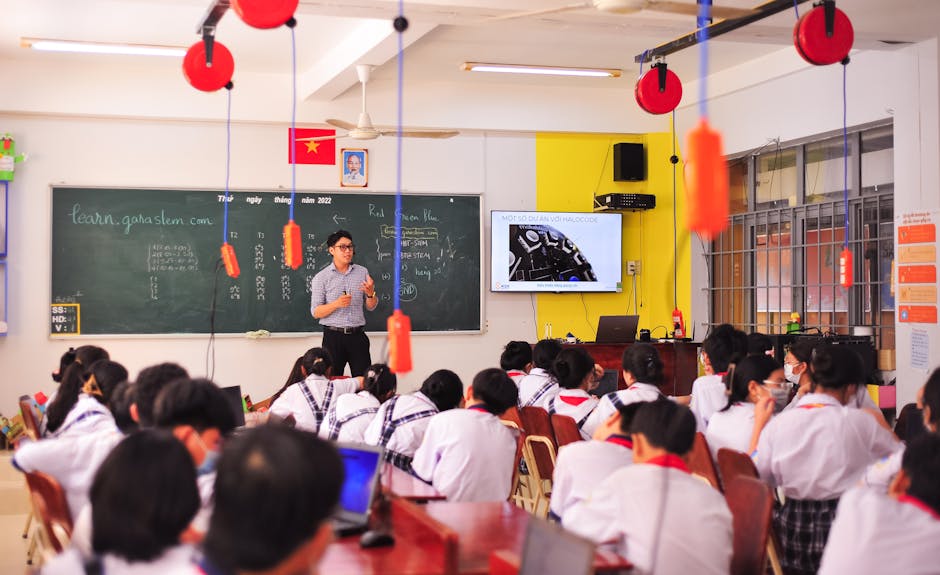
In September 2025, St. Mary’s Academy in Bristol saw teacher administrative workload drop by 40% within three months of deploying an AI-driven learning management system. The school, serving 1,200 students aged 11–18, aimed to embrace digital transformation school uk without overwhelming staff. This ai digital transformation case study uk school documents their journey, challenges, and measurable outcomes.
Background: The School’s Digital Starting Point
St. Mary’s Academy had used a traditional virtual learning environment for five years. Teachers used it to share resources and collect assignments, but processes stayed manual. Lesson planning, differentiation, and marking consumed hours. The senior leadership team recognised they needed a digital strategy education uk that went beyond digitising paper. They wanted a platform that could personalise learning at scale while freeing teachers for direct instruction.
Before the pilot, staff surveys revealed 73% of teachers spent more than 12 hours per week on non-teaching tasks. Only 22% felt they had enough time for formative assessment. The school’s IT lead, Sarah Chen, had been tracking uk education technology case study reports from other secondary schools and saw that AI could offer a practical solution.
After evaluating several options, the school chose Discourse AI’s platform. The decision was driven by the system’s structured learning paths, automated course generation, and integration with existing MIS data. This was not just another tool. It was an edtech ai implementation designed to fit into the school day.
The Challenge: Scalable Personalisation Without Burnout
St. Mary’s had ambitious goals for digital learning transformation uk. The curriculum lead wanted every Year 9 maths student to have a tailored practice plan. The English department needed instant feedback on essay drafts. The SENCO required adaptable materials for students with special educational needs. Achieving all this with existing resources seemed impossible.
Previous attempts at differentiation relied on teachers manually creating multiple worksheet versions. That approach was unsustainable. Staff turnover was rising, and recruitment was difficult. The school needed a system that could reduce teacher workload while improving outcomes. The leadership saw that AI classroom tools had the potential to deliver on both promises, but only if implementation was carefully managed.
The leadership team also worried about resistance. Some teachers felt AI would undermine professional judgment. Others feared technical glitches during lessons. To address these concerns, the school ran a school ai pilot program in the maths department first. Only after positive results did they roll out across the whole school.
The Solution: Discourse AI’s Platform in Action
Discourse AI offered an ai in education case study that combined automation with teacher control. The platform’s course generation engine created differentiated worksheets from a single lesson plan. For example, a Year 10 history teacher uploaded her notes on the Cold War. Within minutes, the system produced three versions: one for struggling readers, one at grade level, and one with extension tasks.
Teachers retained full editorial control. They could adjust any auto-generated material before assigning it. The AI also provided real-time analytics on student progress, flagging misconceptions without the teacher needing to mark every question. This ai tools for schools approach meant staff spent less time on data entry and more time on intervention.

The platform’s built-in assessment engine gave students instant feedback. For writing tasks, it analysed sentence structure, vocabulary, and argument strength, offering specific suggestions. Students could resubmit after revising. This aligned with the school’s marking policy and avoided the need for teachers to read every draft.
Implementation: From Pilot to Full Rollout
The school ai pilot program ran for eight weeks in the maths department. Six teachers participated, each using Discourse AI for at least two classes. The IT team provided one training session and a quick-reference guide. Adoption was high because the platform integrated with the existing MIS, syncing student rosters automatically.
Data from the pilot showed a 35% reduction in time spent on lesson preparation. Teachers reported that they could plan a week’s worth of differentiated materials in under an hour. Student engagement scores rose by 18% in the pilot classes, measured by lesson attendance and submission rates.
Following the pilot, the school rolled out the platform to all subjects in January 2026. The rollout was phased: humanities first, then sciences, then creative arts. Each department had a champion who shared tips during weekly meetings. Within six weeks, 85% of teachers had logged in at least three times. The digital transformation school uk was no longer a theory. It was happening in real classrooms.
Results: AI Digital Transformation Case Study UK School – Measurable Impact in Three Months
After three months of full deployment, St. Mary’s Academy collected quantitative and qualitative data. The key findings are summarised below.
| Metric | Before AI (Sept 2025) | After AI (Dec 2025) | Change |
|---|---|---|---|
| Teacher admin hours per week | 12.3 | 7.4 | -40% |
| Average class preparation time (per plan) | 45 min | 12 min | -73% |
| Student submission rate (weekly) | 72% | 86% | +19% |
| Teacher satisfaction with workload | 28% positive | 64% positive | +36 pp |
These numbers translate into real changes. Teachers now leave school by 4:30 PM several days a week. The head of maths reported that intervention sessions increased from twice to four times per week because staff had more time. Students in the bottom quartile gained an average of nine percentage points in their end-of-term assessments.
One Year 9 maths teacher, James Okonkwo, noted that before the platform he spent Sundays preparing worksheets. After deployment, he used that time to run small-group tutoring sessions. His students’ pass rate on the end-of-term test rose from 74% to 88%. The saved hours also allowed him to attend more departmental planning meetings, improving curriculum alignment across the year group.

Lessons Learned for Other UK Schools
St. Mary’s experience offers a replicable model for any school pursuing edtech ai implementation. Three factors contributed to success. First, starting with a pilot built trust and generated early wins. Second, teacher choice remained paramount. The AI assisted but never replaced professional decisions. Third, the school treated the platform as part of a broader uk school technology adoption strategy, not as a standalone fix.
One unexpected benefit was improved student ownership. Pupils could access personalised revision materials at home, which reduced the demand on teacher-run revision sessions. The ai tools for schools used by St. Mary’s also provided parents with weekly progress reports, something that had previously taken teachers hours to compile.
The leadership team acknowledged that implementation was not perfect. Two teachers in the English department initially refused to use the platform. The school addressed this through one-to-one coaching and by showing them examples of how the AI could save time on routine tasks. Both eventually adopted the tool. Patience and empathy were essential. The English department also found that the AI’s writing feedback reduced marking time by 50%, allowing teachers to focus on higher-level discussion in class.
Frequently asked questions
How long did the AI pilot program take at St. Mary’s?
The pilot ran for eight weeks in the maths department. This was enough time to gather meaningful data and adjust the rollout plan before expanding to other subjects.
What specific AI tools did the school use for lesson differentiation?
Discourse AI’s course generation engine created multiple versions of lessons based on the teacher’s original material. The system adapted reading levels, question difficulty, and task complexity automatically.
Did the AI replace any teaching staff?
No. The platform was designed to reduce administrative tasks, not replace teaching roles. The school maintained its full staffing levels and used the saved time to increase direct student contact.
How did teachers react to the technology adoption?
Initially, some teachers were hesitant. After the pilot showed tangible benefits, 85% of staff used the platform regularly. The school offered personalised support and allowed opt-out in the first month.
Can smaller primary schools replicate this case study?
Yes. The principles (starting small, prioritising teacher control, and integrating with existing systems) apply to any school. Discourse AI’s platform scales from single-form-entry primaries to large secondary academies.
What was the total cost of implementing the AI platform?
The school does not disclose exact figures, but the annual licence for the entire academy was comparable to the cost of one part-time teaching assistant. The return on investment came from reduced supply teacher spending and improved retention. Sarah Chen estimated that the platform paid for itself within six months through reduced overtime and lower recruitment costs.
Next Steps for Your School’s Digital Transformation
St. Mary’s Academy proved that ai in education case study outcomes are achievable with the right approach. Teachers have reclaimed time, students are more engaged, and the school has a sustainable model for digital learning transformation uk. If your school faces similar workload pressures and wants to improve personalisation, explore how Discourse AI’s AI-powered LMS features can support your goals. For a deeper look at the platform’s design philosophy, visit the EdTech platform’s about page. Your school’s transformation could start with a small pilot, just as St. Mary’s did.